

The quickest way to make your brand look cheap right now is to let AI generate its pictures and its voiceovers. Customers can tell. And the moment they can tell, they mark you down.
Marketers see the saving. Customers see the seams.
Kantar's Media Reactions work found 41% of consumers say AI-generated ads bother them, against 29% of marketers. The people making the work are less troubled by it than the people watching it. A separate Clutch survey put a price on that gap: 33% of consumers said AI use worsens how they see a brand, and only 16% said it improves it. You are twice as likely to lose standing as gain it.
The big names have already paid for the lesson. Valentino posted an AI handbag ad and fans called it "disturbing", "sloppy" and "sad". Pulled. McDonald's ran an AI Christmas ad in the Netherlands that viewers found sloppy and emotionally empty. Pulled. Coca-Cola has been slated two years running for AI Christmas films that dropped straight into the uncanny valley. Luxury and mass market, same verdict. Audiences have learned the cues, they have a name for it, "AI slop", and they read it as low effort whatever you actually spent.
Here is what people get wrong about why it looks bad. It is rarely the technology. It is the tools and the prompts. Feed a generic model a lazy brief and you get a generic result, plus the small wrongness that makes a viewer's skin crawl. Kantar measured it with facial coding: AI ads provoke stronger reactions, but the reactions skew negative. You wanted people to feel something. You got it. Just not the something you wanted.
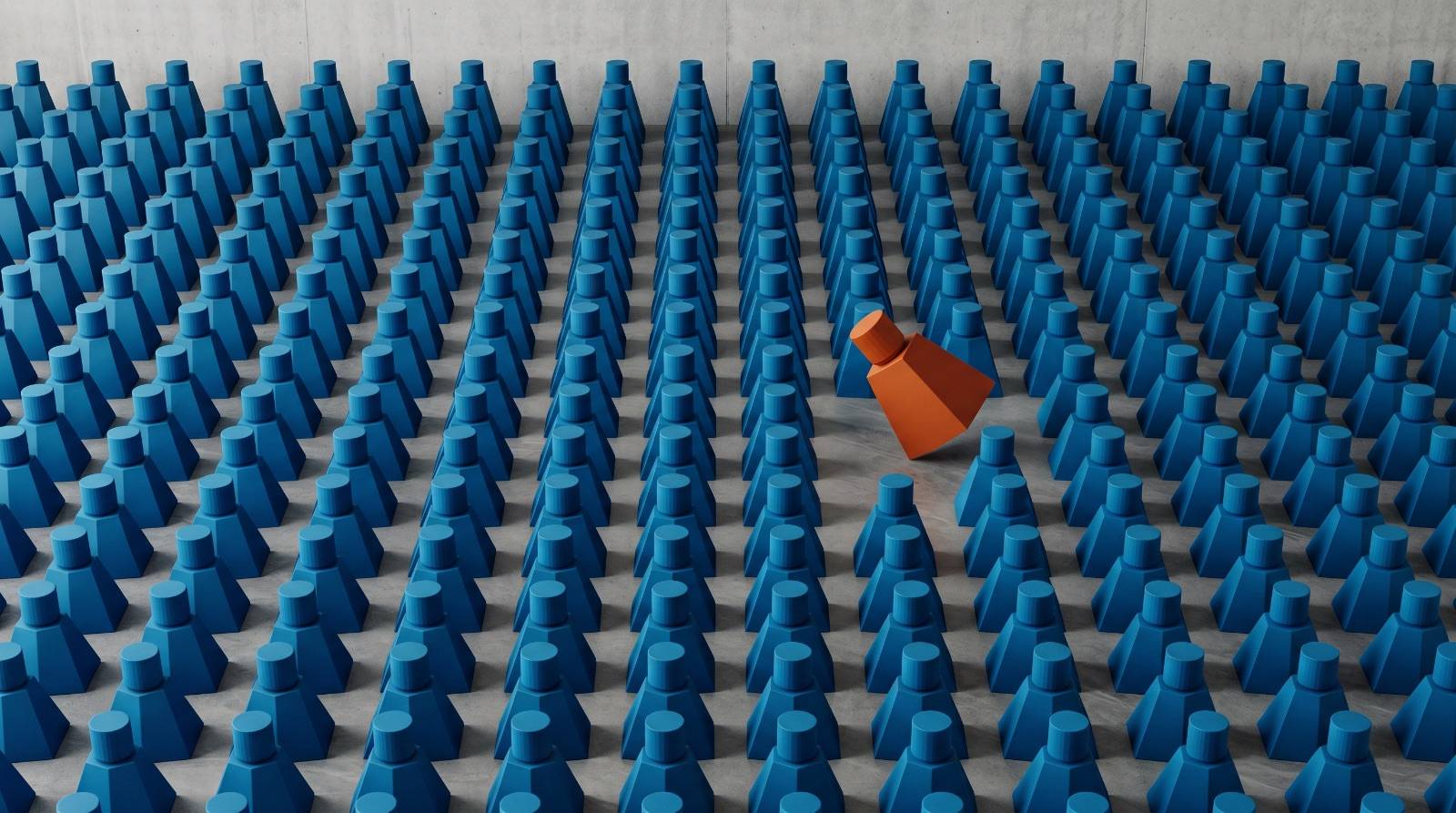
There is a deeper problem, and it is the one that should worry anyone building a brand. Brands grow by being noticed and remembered. That is what distinctive assets are for, your colour, your logo, your voice, the codes that keep you front of mind so customers reach for you and not the next lot. AI models are trained on the average of everything, so left alone they drag your work towards the average of everything. Same gloss, same faces, same stock lighting. If every brand prompts the same tools the same lazy way, every brand drifts to the same look. You end up paying to erase the one thing that makes you chooseable. You cannot build a distinctive brand out of generic parts.
Kantar's data backs this from the other side. AI ads scored lower on branding on average, and the drop came from the obvious cases, where a brand handed the visuals to a model that did not know its tone or its assets. Even when the output looks convincing it does not fix this. Kantar tested an AI spec ad for Liquid Death that looked convincingly real and pulled a strong emotional response, yet its brand memorability landed in the bottom 25% of everything they have tested, because the brand was missing from the moments that mattered. The machine does not have your brand at heart unless you put it there.
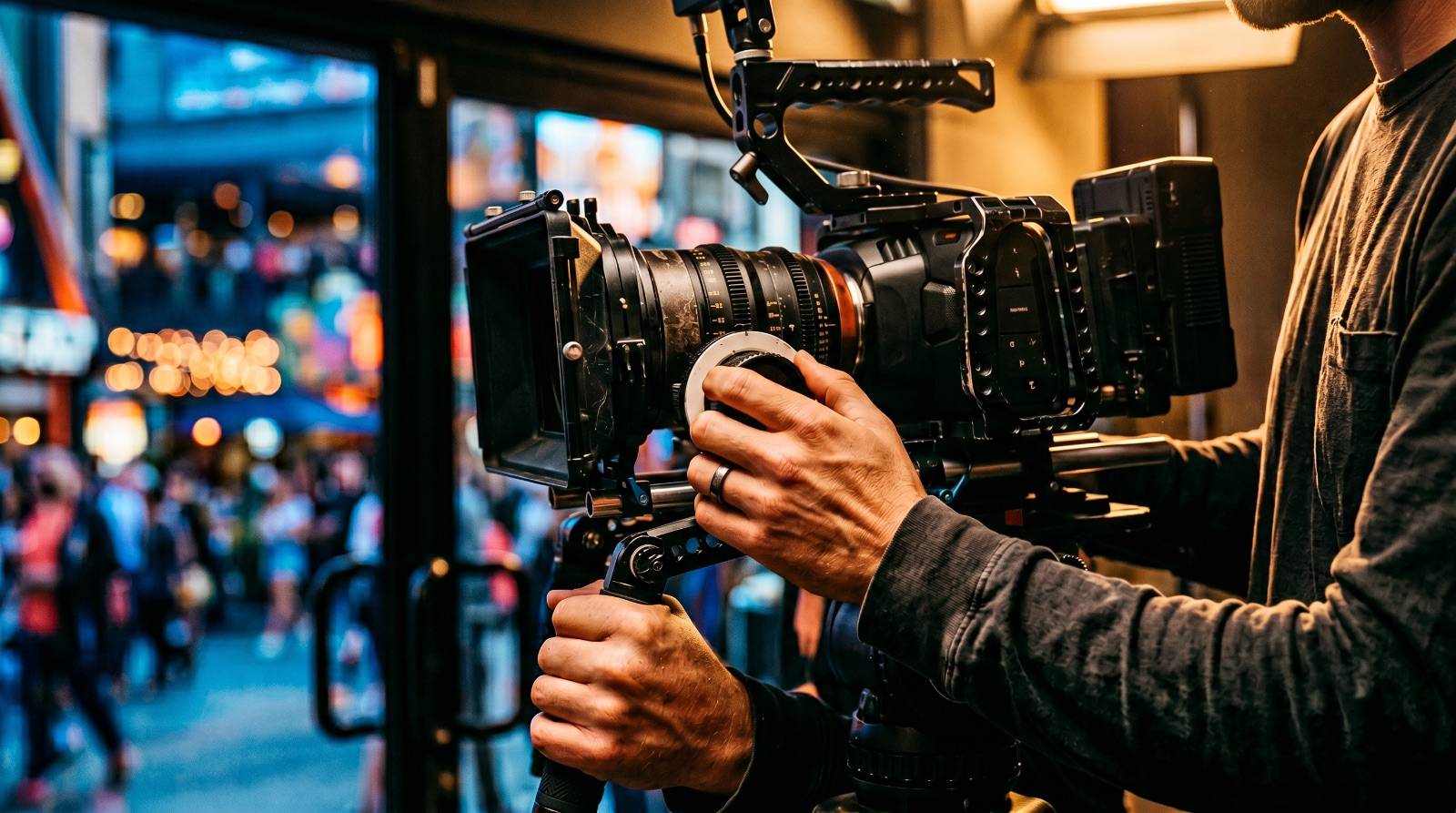
To be fair to the tools, there are places they are very good. Hand AI a weak piece of creative, a low-resolution image or a rough cut, and it can often rescue it into something usable. That is a proper win. The trouble starts when the same shortcut gets aimed at the work your brand is judged on.
Now the honest bit, because I use AI images on Brand Impact's own content. I am not a consumer brand. I cannot justify briefing a photographer and a videographer for a blog header, and I would not ask a small client to either. That is the line. AI earns its place where the stakes are low and the brand does not live or die on the picture. It does not earn its place on your hero campaign, your shopfront, the work that has to feel human and look like nobody else.
And this is not a budget question. Small budget or big, the test is the same: does it meet your customer's standard and your own. A tight budget does not make you ship something cheap, and a big one does not buy you out of the check.
What actually bothers me is watching brands use it badly in exactly the places that matter. It reads as amateur. It signals budget brand, and worse, it signals a business that has stopped paying attention to its own customers. That is an expensive impression to give for the sake of a quick render.
So if you are using this stuff, three moves.
First, decide where AI cannot hurt you and keep it there. Internal decks, rough cuts, working visuals, all fine. Anything a customer judges you on gets more care.
Second, if it does go customer-facing, make the model work for your brand, not the category average. Give it your assets, your tone, your references, then test it on real people before it ships. Kantar's own advice is blunt: train AI to be on brand, and test, test, test.
Third, be honest about what AI is good at. It is not as creative as we like to think, not yet. It can carry imagery and video, but mostly for internal work, and only where you are truly not compromising on quality. Protect the human work where the brand has to feel human. The irony was not lost that OpenAI shot its own big campaign on 35mm film with real directors and real actors. The company selling the tools knew when not to use them.

AI is moving fast. But speed is cheap now, and being remembered is not. Get it wrong and it is your brand that pays, not the tool. Do not trade what lasts for what is quick.
Sources
- Kantar, Rethinking AI-generated advertising: how real people really react, 4 November 2025 (41% v 29%, facial coding, lower branding on obvious AI use, Liquid Death brand memorability in the bottom 25%, "train AI to be on brand").
- Clutch, AI in Branding: Why 33% of Consumers React Negatively (33% worse perception v 16% better).
- BBC, Valentino criticised over 'disturbing' AI handbag ads, December 2025 ("disturbing", "sloppy", "sad").
- McGraw Hill, "AI Slop" Backfires in Ads, 13 May 2026, citing reporting by the LA Times (McDonald's Netherlands AI Christmas ad). Secondary source, used for the McDonald's example.
- NBC News, Coca-Cola causes controversy with AI-made ad (uncanny valley backlash).
- The Drum, Mark Ritson on ChatGPT's TV campaign, 30 September 2025 (OpenAI shot on 35mm film with real directors and actors).
- Marketing Science / Ehrenberg-Bass Institute, Differentiation versus distinctiveness (distinctive assets, mental availability, being noticed and remembered).


Ready to move the numbers.
Book a 30-minute impact discovery, no obligation. A clear read on where brand, e-commerce and AI can move growth.